Smart glass in Malaysia is shifting from novelty to climate-smart infrastructure driven by measurable cooling savings, tenant wellbeing, and green-certification goals. Systems will prioritize tropical durability—humidity-tolerant seals, resilient coatings, and efficient power management—while vendors align supply chains with local testing and installer training. Policy moves toward interoperable standards, incentives, and clear certification will accelerate uptake. Early pilots in offices smart glass, retail and healthcare will prove ROI and user-centric controls. Continue for practical adoption steps and implementation examples.
Drivers Accelerating Smart Glass Adoption in Malaysian Buildings
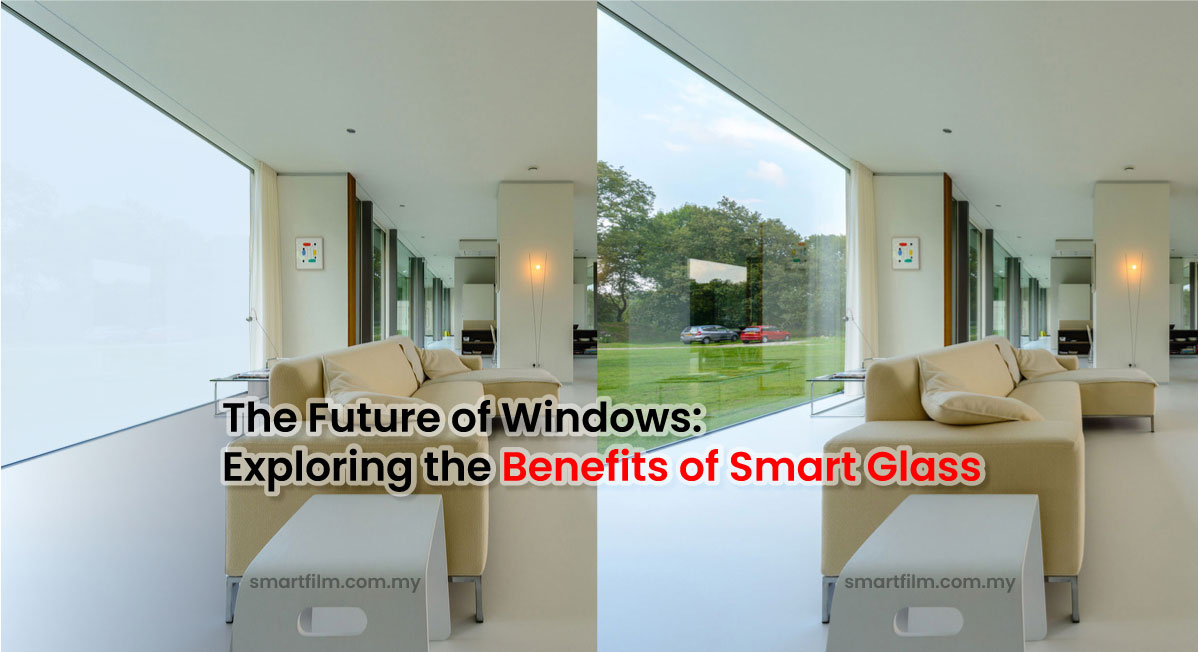
Amid rising energy costs and stringent green-building targets, Malaysian developers and facility managers are rapidly turning to smart glass as a pragmatic efficiency lever. Market momentum reflects clear drivers: measurable energy efficiency gains Chiefway smart glass, reduced HVAC loads, and compliance with sustainability certifications. Owners value real-time glazing control that balances solar ingress with daylight harvesting, enhancing occupant comfort without sacrificing views or autonomy. Tenants prize adaptive façades that lower utility bills and support flexible interior use. Investors appreciate lifecycle cost predictability and tech-forward branding. Adoption is pragmatic, driven by quantifiable savings, tenant demand for wellbeing, and the freedom to optimize performance operationally and financially.
Technical and Climate Challenges for Local Implementation
In tropical Malaysia’s hot-humid climate, integrating smart glass into buildings poses distinct technical and environmental hurdles. Installations must tolerate relentless thermal cycling from intense sun and intermittent cloud cover while maintaining optical performance. Junctions, seals and control electronics demand humidity resilience to prevent fogging, delamination and corrosion. Power and heat management strategies must be efficient yet nonintrusive to preserve occupant autonomy. Local testing protocols and supply chains need adaptation for tropical stressors. Manufacturers and integrators focus on durable coatings, robust encapsulation and simplified maintenance to assure reliable, long-lived smart glass that supports flexible, climate-aware design choices.
Policy, Standards and Incentives Shaping the Market
Against a backdrop of growing interest in energy-efficient façades, Malaysia’s adoption of smart glass hinges on a coherent policy and standards framework that aligns safety, performance and market incentives. Policymakers must craft a clear regulatory framework that defines testing protocols, certification paths and interoperability criteria to reduce risk and streamline approvals. Complementary incentive programs — tax breaks, grants, and green building credits — can accelerate adoption while preserving consumer choice. Standards should be technology-neutral, enabling innovation across electrochromic, suspended particle and other systems. Transparent rules plus targeted incentives will empower architects, developers and users to deploy smart glass with confidence.
Key Players, Supply Chains and Installation Ecosystem
With regulatory clarity and incentives setting the stage, the market’s practical execution depends on a coherent network of manufacturers, distributors, integrators and installers that can move smart glass from specification to functioning façade. Key players combine local sourcing with international licensing, forming manufacturing partnerships to scale production affordably. Distribution channels favor consolidated suppliers offering warranty-backed modules, while system integrators bridge glazing, controls and building management. Installer training programs and certification pathways reduce field failures and accelerate adoption. Financing partners, logistics firms and after-sales service networks round out the ecosystem, enabling confident procurement and preserving owner autonomy over long-term performance.
High-Impact Use Cases and Pilot Projects Across Sectors
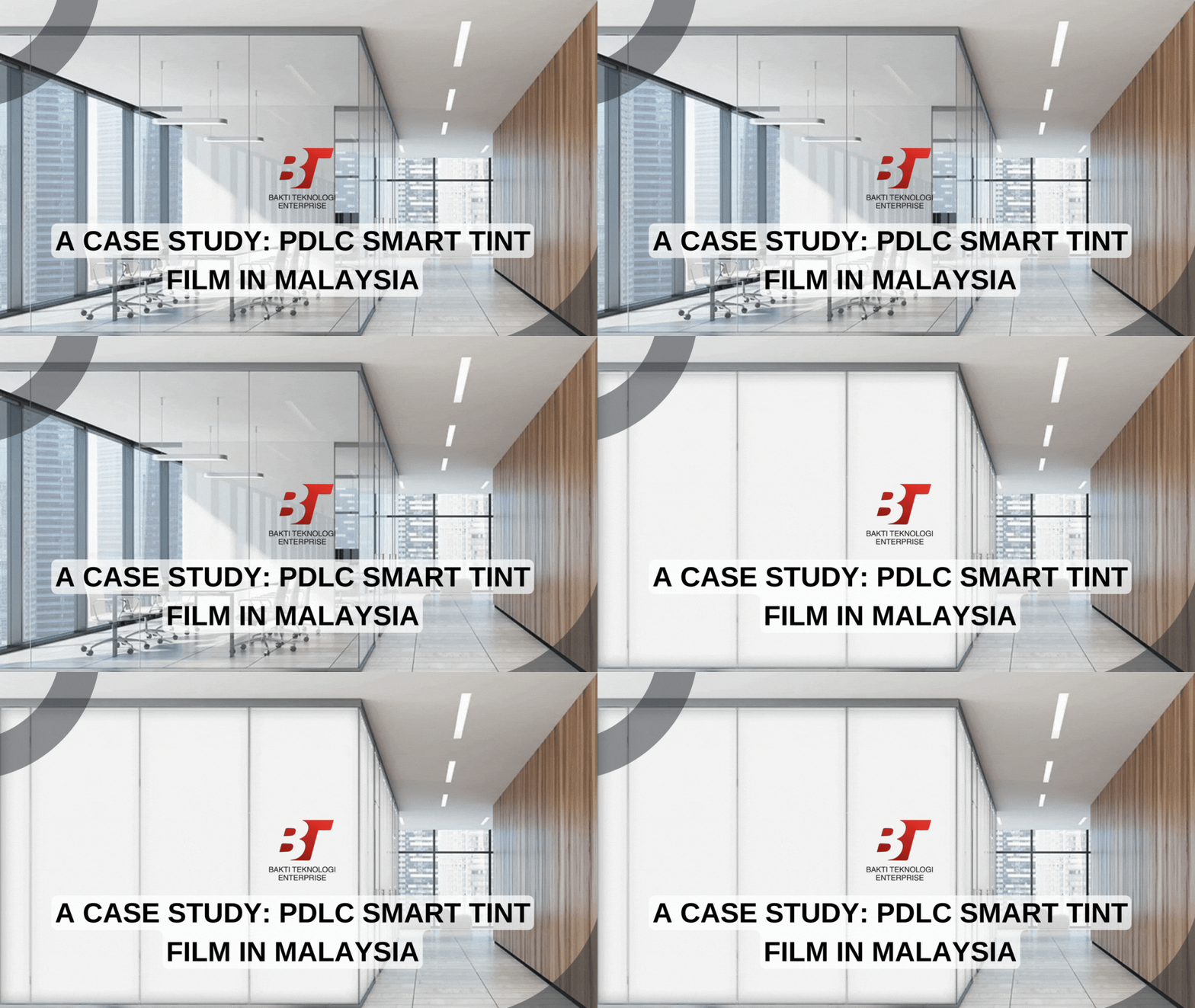
When deployed strategically across building types, smart glass demonstrates measurable energy, comfort and operational benefits that justify targeted pilots. Case studies emphasize Retail pilots reducing HVAC loads while enabling dynamic storefront experiences that attract customers and preserve merchandise. In offices, occupancy-driven tinting cuts glare and boosts focus without sacrificing views. Healthcare wards use adaptive privacy and infection-control glazing to enhance patient outcomes and workflow efficiency. Transit hubs and universities trial centralized management platforms to scale controls and analytics. Pilot frameworks prioritize ROI metrics, interoperability, and user autonomy, enabling rapid iteration and phased rollouts that protect budgets while empowering facility managers.
Conclusion
Smart glass adoption in Malaysia is poised for steady growth as energy-efficiency goals, rising electricity costs and smart-building integration drive demand. Overcoming technical hurdles—tropical durability, local manufacturing and installer skills—requires targeted standards, incentives and public–private pilot projects. Coordinated policies and maturing supply chains will enable scalable deployments across commercial, residential and transport sectors. Success will hinge on pragmatic regulation, skilled installers and proven pilots that balance performance, cost and climate resilience.


