In today’s rapidly advancing technological landscape, the integration of Artificial Intelligence (AI) in automation processes has become a cornerstone of innovation across industries.
This article delves into the transformative impact of AI-powered automation, exploring its evolution sap business one, benefits, industry-specific applications, workforce implications, and future trends.
By understanding the intricacies and opportunities presented by AI integration, organizations can harness its potential to drive efficiency, productivity, and competitive advantage in an ever-evolving business environment.
Evolution of AI in Automation
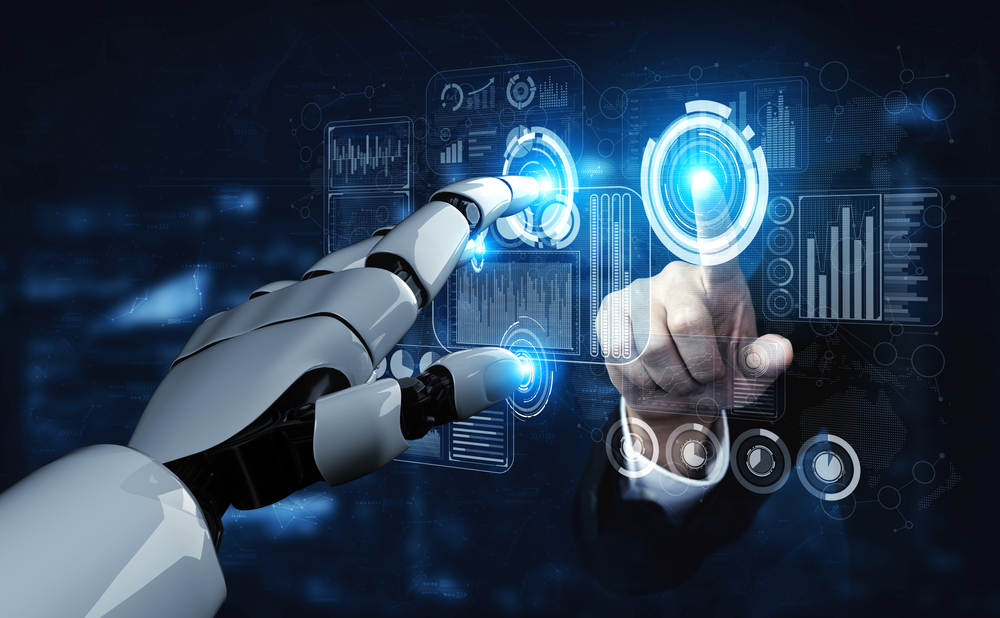
The evolution of AI in automation has revolutionized industries across the globe, shaping the way organizations streamline operations and enhance efficiency.
Artificial Intelligence (AI) has transitioned from performing repetitive tasks to making complex decisions https://aspert.com.my/solutions/sap-business-one/, allowing businesses to allocate resources more effectively. Through machine learning algorithms and neural networks, AI can now analyze vast amounts of data in real-time, providing valuable insights for decision-making processes.
This advancement in automation has liberated employees from mundane tasks, enabling them to focus on creative and strategic initiatives. By embracing AI-driven automation, companies can achieve greater productivity, cost savings, and innovation, empowering them to adapt to the ever-changing demands of the market while fostering a culture of continuous improvement.
Benefits of AI Integration
Frequently, organizations experience enhanced efficiency and streamlined operations through the integration of AI technologies. By leveraging AI integration, businesses can automate repetitive tasks, optimize decision-making processes, and enhance overall productivity.
AI systems can analyze vast amounts of data in real-time, enabling organizations to extract valuable insights and make data-driven decisions swiftly. Moreover, AI-powered automation can reduce human errors, minimize operational costs, and free up employees to focus on more strategic tasks that require human creativity and critical thinking.
Ultimately, the seamless integration of AI technologies empowers organizations to adapt to rapidly changing market dynamics, stay competitive, and drive innovation across various industries. The benefits of AI integration are evident in the improved performance, agility, and scalability that organizations can achieve.
Industry-Specific Applications
Incorporating AI technologies into industry-specific applications revolutionizes operational processes, driving enhanced efficiency and targeted solutions tailored to distinct sector requirements.
From healthcare to finance and manufacturing, AI-powered automation is reshaping how businesses operate.
In healthcare, AI streamlines patient data analysis, leading to faster diagnoses and personalized treatment plans.
Financial institutions leverage AI for fraud detection, risk assessment, and personalized investment strategies.
In manufacturing, predictive maintenance powered by AI minimizes downtime, optimizing production schedules and reducing costs.
Each industry benefits from AI’s ability to analyze vast amounts of data swiftly, identify patterns, and make data-driven decisions.
Workforce Implications and Challenges
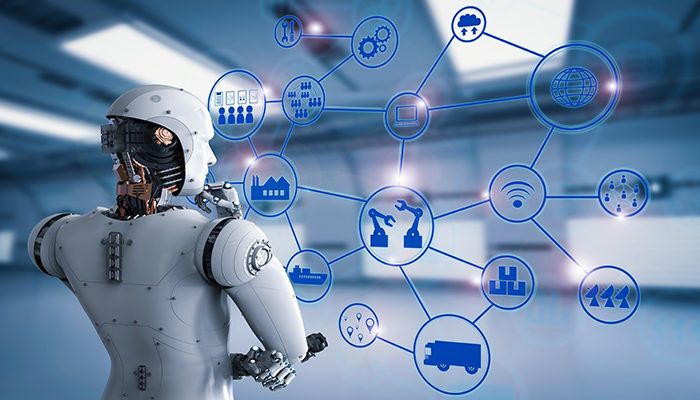
Workforce’s adaptability to AI-powered automation poses significant implications and challenges in various industries.
As AI continues to evolve, there is a growing concern about the potential displacement of human workers by automated systems. Companies are faced with the task of upskilling employees to work alongside AI technologies, requiring investments in training programs and resources.
Additionally, there is a need for clear communication about the role of AI in the workforce to alleviate fears and ensure a smooth transition.
Balancing the benefits of AI automation with the ethical considerations surrounding job displacement and employee well-being is crucial for organizations seeking to embrace technological advancements while maintaining a human-centric approach.
Future Trends in AI Automation
One key trend shaping the future of AI automation is the increasing integration of machine learning algorithms in decision-making processes. This shift allows AI systems to learn from data, adapt to new information, and make more informed decisions over time.
Another significant trend is the development of AI systems with enhanced natural language processing capabilities, enabling more seamless interaction between humans and machines.
Additionally, the evolution of AI ethics and governance frameworks is becoming crucial to ensure responsible and ethical AI deployment.
The automation of repetitive tasks is expected to continue, freeing up human workers to focus on more creative and strategic endeavors.
Embracing these trends will lead to a future where AI augments human capabilities and drives innovation across industries.
Conclusion
In conclusion, AI-powered automation has significantly evolved, offering numerous benefits across various industries. Its applications are industry-specific and have implications on the workforce.
Despite challenges, AI automation is a growing trend that is shaping the future of work. Organizations that embrace AI integration stand to gain competitive advantages in efficiency and productivity.
The future of AI automation holds promising advancements that will continue to revolutionize the way we work.


