Discover the key facts about effective scoliosis treatment in Kuala Lumpur.
You’ll uncover the latest insights on managing this condition scoliosis treatment malaysia, from diagnostic procedures to post-treatment care.
Stay informed and empowered to make the best decisions for your health.

Understanding Scoliosis and Its Impact
To understand scoliosis and its impact, you must grasp how the condition affects the curvature of your spine and overall posture. Scoliosis isn’t just about a slightly curved spine; it can influence your entire body, from how you stand to how you move. Your spine, instead of being straight, may curve to the side, creating a C or S shape rehabbee physiotherapy. This curvature can lead to uneven shoulders, waist, or hips, affecting your balance and causing discomfort. It’s essential to be aware of these effects as they can impact your daily activities and even your self-confidence.
When dealing with scoliosis, freedom in movement might feel restricted due to the changes in your body’s alignment. However, understanding these changes can empower you to take control of your condition. By seeking proper treatment and guidance, you can alleviate some of the challenges posed by scoliosis and regain a sense of freedom in how you navigate through your daily life. Remember, knowledge is key to overcoming obstacles, and in this case, understanding scoliosis is the first step towards managing its impact effectively.
Diagnostic Procedures and Evaluation
Understanding the diagnostic procedures and evaluation for scoliosis is crucial in determining the most effective treatment options available in Kuala Lumpur.
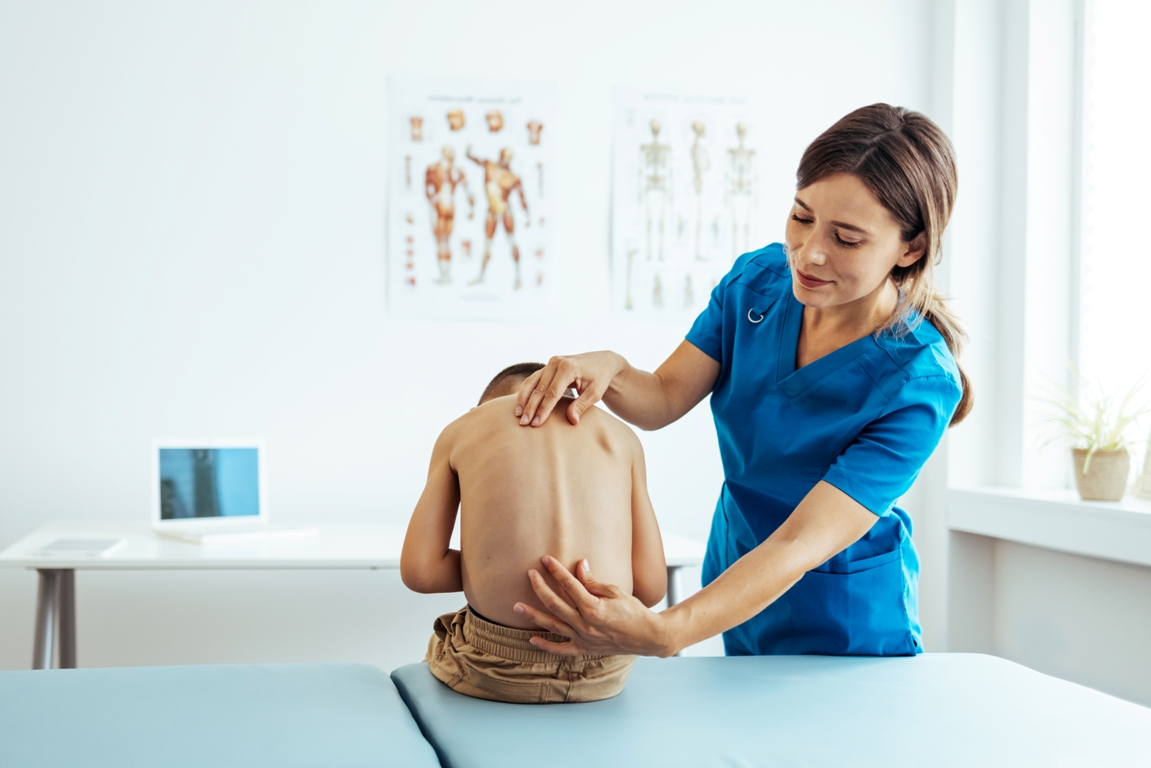
When you visit a healthcare provider in Kuala Lumpur for scoliosis assessment, they’ll conduct a thorough physical examination to assess your spine’s curvature and alignment. This evaluation may include measuring your height, observing your back while standing and bending, and assessing any asymmetries in the shoulders, waist, or ribcage.
Additionally, X-rays are commonly used to confirm the presence of scoliosis, determine the severity of the curve, and guide treatment decisions. MRI or CT scans may be recommended if further evaluation of the spine or surrounding structures is needed.
Non-Surgical Treatment Options
When dealing with scoliosis treatment in Kuala Lumpur, it’s crucial to explore various non-surgical options to address the condition effectively. Non-surgical treatments offer a more conservative approach that can help manage scoliosis and alleviate symptoms without undergoing surgery.
One effective non-surgical treatment option is physical therapy. Through targeted exercises and stretches, physical therapy can improve posture, strengthen muscles, and increase flexibility, which can help reduce the progression of scoliosis and enhance overall quality of life.
Another non-surgical approach is bracing. Bracing is commonly used for adolescents with moderate scoliosis to prevent further curvature of the spine as they grow. Braces are custom-fitted to the individual and are worn for a specified number of hours each day to provide support and prevent worsening of the condition.
Moreover, alternative therapies such as chiropractic care, acupuncture, and yoga can also complement traditional treatments and offer additional relief from scoliosis symptoms. These non-invasive options empower individuals with choices to manage their scoliosis effectively while maintaining a sense of freedom and control over their treatment journey.
Surgical Interventions for Severe Cases
If non-surgical treatments haven’t effectively addressed your severe scoliosis, surgical interventions may be recommended to correct spinal curvature and prevent further progression of the condition.
In severe cases where the curvature of the spine is significant and poses a risk to your health and quality of life, surgery can offer a more permanent solution. One common surgical procedure for scoliosis is spinal fusion, where the surgeon connects two or more vertebrae together to stabilize and align the spine.
Another option is spinal instrumentation, which involves attaching rods, screws, or wires to the spine to correct the curvature. While surgery can be a daunting prospect, it can also provide significant relief and improvement in mobility for individuals with severe scoliosis.
It’s essential to discuss the potential risks, benefits, and expected outcomes with your healthcare provider to make an informed decision about whether surgical intervention is the right choice for you.
Post-Treatment Care and Rehabilitation
After undergoing surgical interventions for severe scoliosis, your post-treatment care and rehabilitation are crucial for optimal recovery and long-term success. Following surgery, it’s essential to adhere to your healthcare provider’s instructions diligently. This may include wearing a brace, attending physical therapy sessions, and gradually resuming daily activities. Consistent communication with your medical team is key to addressing any concerns and ensuring progress.
Engaging in regular low-impact exercises, such as swimming or walking, can help strengthen your back muscles and improve flexibility. It’s important to maintain a healthy lifestyle, including a balanced diet and sufficient rest, to support your body’s healing process. Additionally, practicing good posture and body mechanics can prevent future complications and support your spine’s alignment.
Conclusion
In conclusion, if you’re seeking effective scoliosis treatment in Kuala Lumpur, it’s important to understand the impact of the condition, undergo proper diagnostic procedures, explore non-surgical options, consider surgical interventions for severe cases, and follow through with post-treatment care and rehabilitation.
By working closely with a dedicated medical team, you can effectively manage scoliosis and improve your quality of life.


