In today’s rapidly evolving security landscape, the need for robust and reliable security systems has never been more critical.
This comprehensive guide delves into the intricate world of security solutions tailored for residential, commercial cctv singapore, and corporate environments.
From exploring various types of security systems to providing essential installation and maintenance tips, this article equips readers with the knowledge needed to make informed decisions and safeguard their properties effectively.
Stay ahead of potential threats by mastering the art of security system integration and selecting the right provider.

Types of Security Systems
Within the realm of security systems for residential, commercial, and corporate settings, the differentiation between wired and wireless systems is fundamental. Wired security systems are known for their reliability and consistent power supply CCTV camera Singapore, making them a preferred choice for those who prioritize stability.
On the other hand, wireless systems offer easy installation, flexibility, and remote access, catering to individuals seeking convenience and freedom from complex wiring. Both options come with their advantages and limitations, requiring users to assess their specific needs and preferences before making a decision.
Whether opting for the traditional reliability of wired systems or the modern convenience of wireless solutions, individuals can now tailor their security systems to align with their desired level of freedom and peace of mind.
Factors to Consider
When evaluating security systems for residential, commercial, and corporate applications, it is crucial to factor in the specific security needs and potential risks involved.
For residential properties, considerations may include the size of the property, the number of entry points, and the presence of valuables.
Commercial spaces might require systems that can integrate access control for employees and visitors, surveillance cameras for monitoring high-traffic areas, and alarms for after-hours protection.
Corporate environments may necessitate advanced solutions like biometric access control, cybersecurity measures, and centralized monitoring systems.
It’s essential to assess the level of threat each setting faces to determine the most appropriate security system that balances protection with freedom of movement and operations.
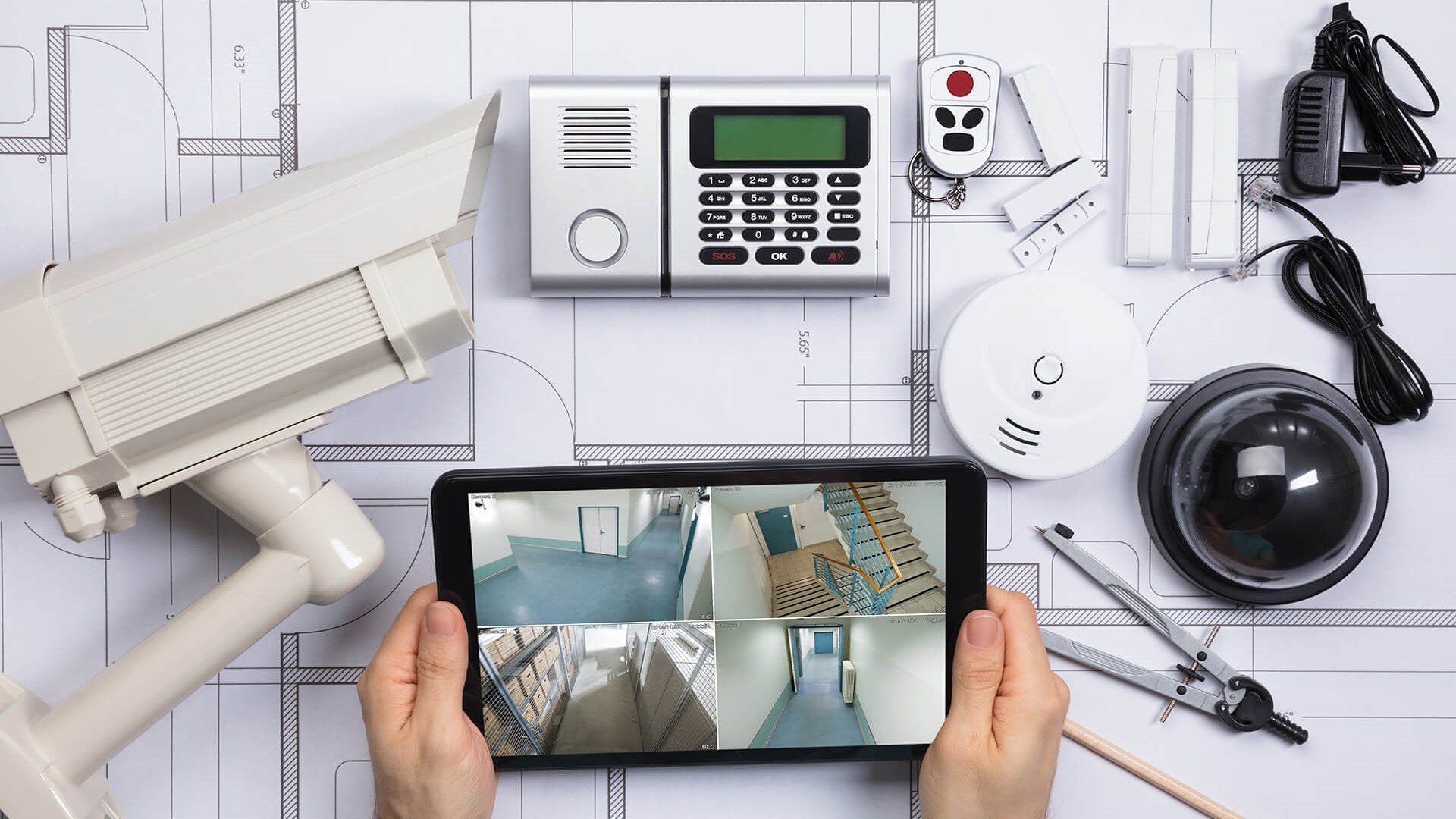
Installation and Maintenance Tips
Considering the diverse security needs of residential, commercial, and corporate settings, implementing proper installation and maintenance practices is essential for ensuring the effectiveness and longevity of security systems.
During installation, it is crucial to follow manufacturer guidelines meticulously, ensuring all components are correctly placed and connected.
Regular maintenance checks should be scheduled to guarantee that all parts are functioning correctly, including cameras, sensors, alarms, and control panels. It is advisable to have a professional security technician conduct routine inspections and handle any necessary repairs promptly.
Additionally, users should be educated on how to operate the system correctly to prevent accidental damage. By adhering to these installation and maintenance tips, individuals can maximize the security capabilities of their systems and enjoy peace of mind.
Integration With Smart Technology
To enhance security systems for residential, commercial, and corporate settings, integrating them with smart technology is crucial for optimizing efficiency and responsiveness. Smart technology, including features like remote access, automated alerts, and integration with other smart devices, allows for seamless monitoring and control of security systems.
By connecting security systems to smart technology platforms, users can conveniently manage their security measures from anywhere, at any time, providing a sense of freedom and peace of mind. Integrating security systems with smart technology also enables quick responses to potential security threats, increasing overall safety levels.
This integration not only streamlines security processes but also offers a tailored and user-friendly experience, meeting the demands of individuals seeking a sophisticated yet accessible security solution.
Choosing the Right Security Provider
The integration of security systems with smart technology necessitates a strategic selection of a reliable security provider to ensure optimal performance and effectiveness.
When choosing the right security provider, it is essential to consider factors such as reputation, experience, range of services offered, and customer support.
A reputable security provider will offer a comprehensive solution tailored to your specific needs, whether for residential, commercial, or corporate use. Evaluate the provider’s track record, certifications, and reviews to gauge their reliability.
Additionally, inquire about their response times, maintenance services, and scalability options to accommodate future needs.
Conclusion
In conclusion, selecting the appropriate security system for residential, commercial, or corporate use requires careful consideration of factors such as budget, level of security needed, and integration with smart technology. Proper installation and maintenance are crucial for the effectiveness of the system.
It is essential to choose a reputable security provider to ensure reliable service and support. By following these guidelines, individuals and businesses can enhance their safety and protection against potential threats.


